
Why Real Product Photos Build More Trust With Shoppers

A guide for brand and marketing managers · Westward Content · November 2026

It has never been easier to produce a product image without a camera. Plenty of brands now fill listings, ads and websites with images made entirely on a computer. That makes a simple question more important for anyone selling online: do your customers believe what they see? Here is what recent research says, where generated images tend to go wrong for physical products, and how to use real photography as a selling point.

What shoppers say about generated product images

In a June 2026 survey of 2,273 US online shoppers, the Baymard Institute asked how knowing a product image was computer-generated would affect their confidence in buying:

  • 60% said it would lower their purchasing confidence.
  • 17% said they would not feel confident enough to buy the product at all.
  • 18% said it would not affect them.

A smaller survey of 411 shoppers by the retail technology company Stylitics found that 59% wanted generated images to be clearly labeled, and 15% would rather brands not use them at all.

The takeaway is not that every shopper objects. It is that a large share of buyers lose confidence when they suspect an image is not real — and on a product page, lost confidence usually means a lost sale.
Why real photos make buyers more confident

  • They show exactly what arrives. A photograph of your actual product shows its real color, texture, finish and details. When the box arrives and matches the photos, customers trust your brand the next time too.
  • They show true size. A real person holding, wearing or riding your product answers "how big is it?" better than any spec sheet.
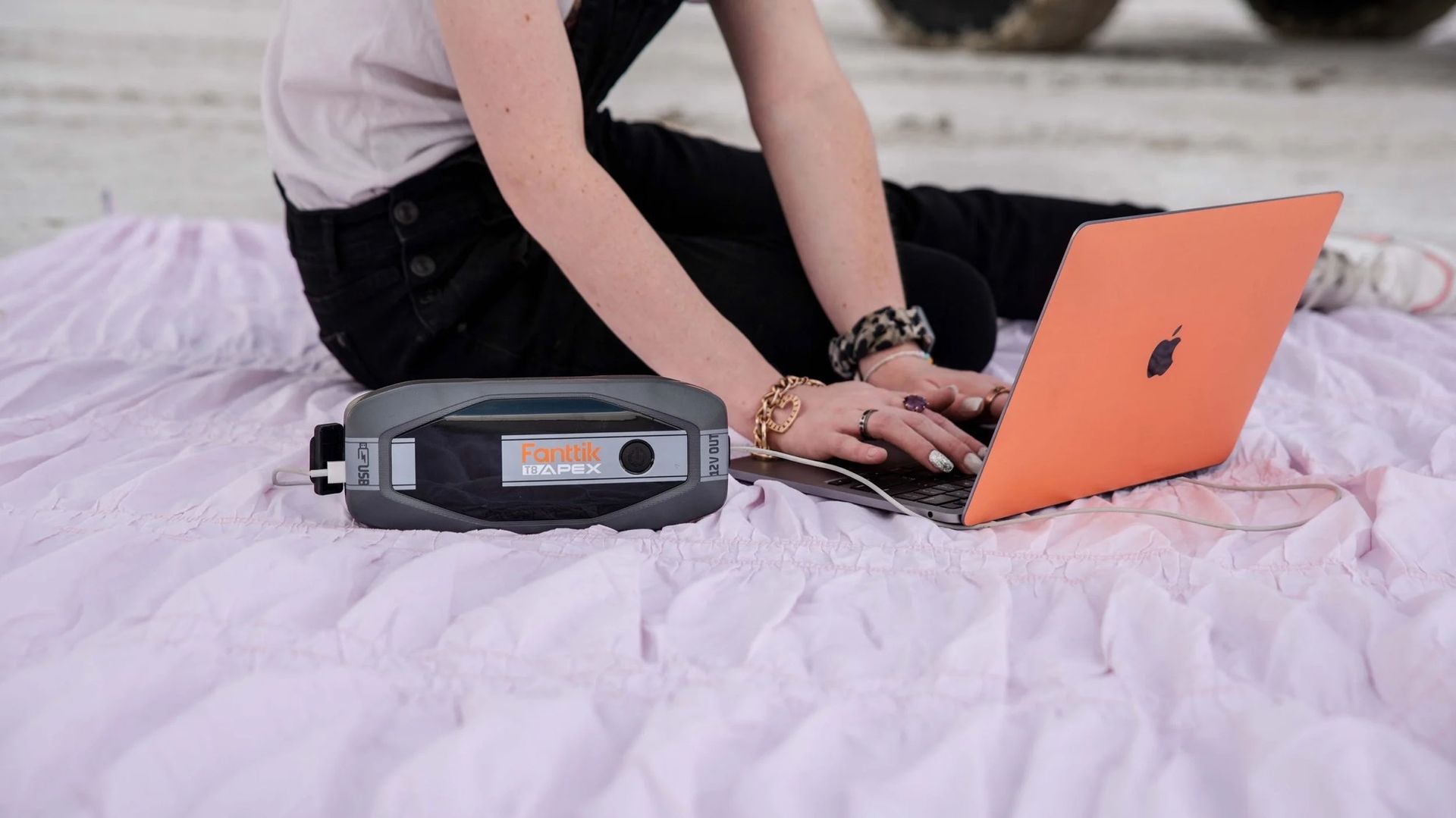
  • They show real use. A power station charging a laptop on the salt flats, a helmet on a rider on red rock singletrack, chalk on a climber's hands — real situations prove the product works where your customers will use it.
  • They hold up to a close look. Shoppers zoom in. Real photos keep logos, ports, stitching and buttons accurate, which is exactly where generated images often get small details wrong.
Fanttik T8 charging a laptop outdoors on a blanket, a real lifestyle product photo

Marketplaces expect the actual product

Accuracy is not only a trust issue. Amazon's main image rules require the main image to show the actual product being sold, on a pure white background, without illustrations or added graphics. Lifestyle and secondary images have more freedom, but a listing whose images do not match the product invites returns and negative reviews.

If you sell on Amazon, see our page on Amazon product photography and A+ content images for how we shoot a full, compliant image set.

Editing vs. inventing: where the line is

Real product photography still involves editing. The difference is whether the edit shows your product more clearly or changes what it is.

  • Normal, honest editing: color correction, exposure, removing dust and fingerprints, clean white backgrounds, removing distractions from a scene.
  • Crossing the line: changing the product's shape, size, color or features, adding parts it doesn't have, or placing it in a scene that never happened.

A good rule: if a customer compared your photo with the product in their hands, would they feel misled? If not, the edit is fine.

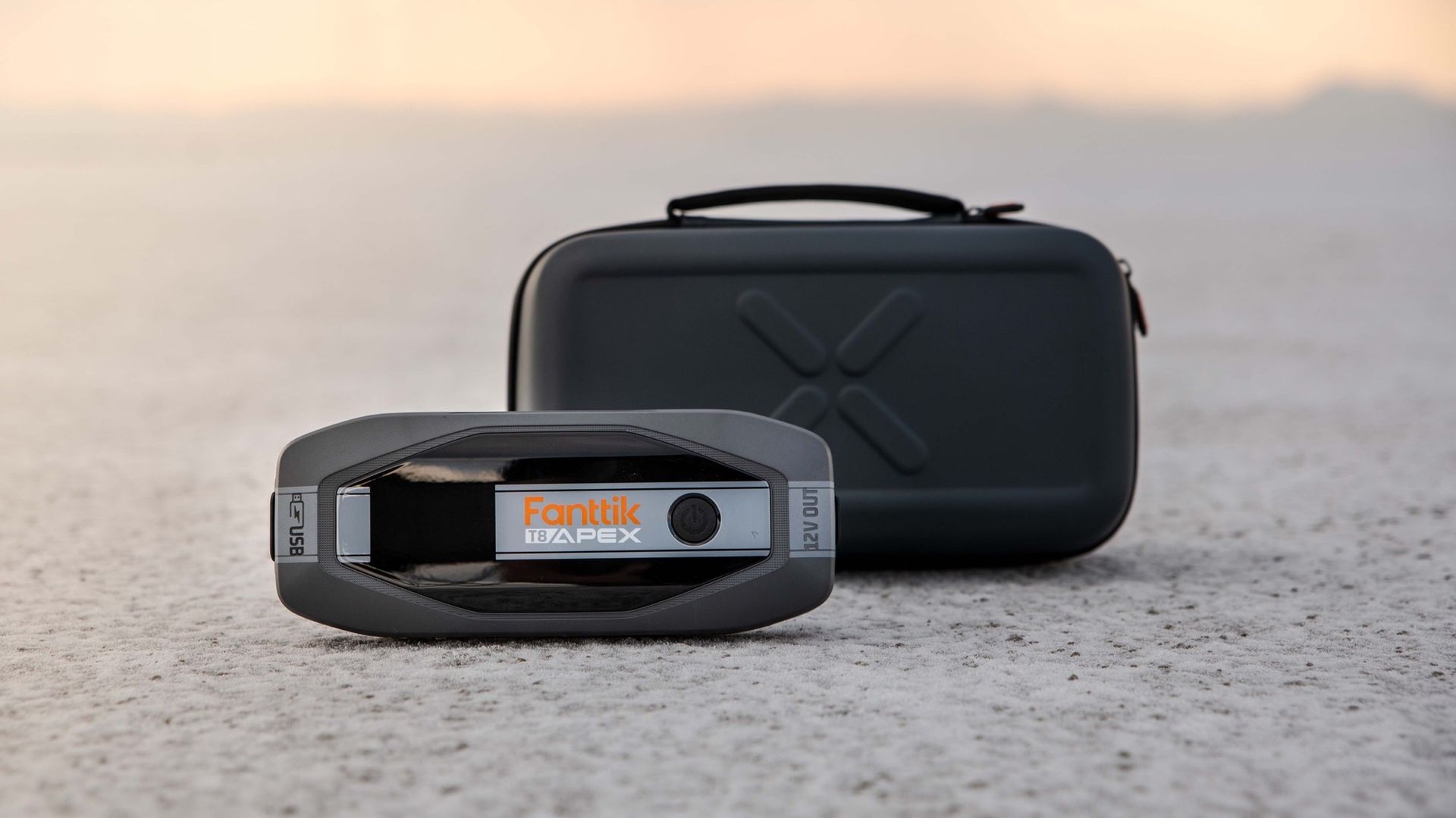
Fanttik T8 and its carrying case photographed on location

How to show customers your photos are real

If your images are real, say so. Shoppers can't always tell the difference, so it pays to make it obvious.

  1. Say it in your copy. A short line such as "All images are real photos of the actual product" in your listing, product page or ad builds confidence.
  2. Show people using the product. Real hands, real faces and real places are the most convincing signal that a photo is genuine.
  3. Add video. A short clip of the product being used is hard to fake and answers questions photos can't.
  4. Share behind-the-scenes content. A few frames from the shoot on social media show your audience the real product, on location.
  5. Stay consistent. Use the same real images across your store, marketplace listings, ads and packaging so customers see one accurate picture of your product everywhere.

How Westward Content shoots real product content

We are a Utah photo and video studio working with outdoor, tech and lifestyle brands since 2017, including Jackery, Outdoor Master, Fanttik, Eskute, SmooSat and White Mountain. Every image we deliver is a real photograph of your actual product, with real people in real Utah locations — mountains, red rock desert, canyons and salt flats. Brands in the US and overseas ship us samples; we plan a shot list, shoot, and deliver finished photos and video.

Mountain biker in an Outdoor Master MIPS helmet riding red dirt singletrack in Utah

Frequently asked questions

Do shoppers trust computer-generated product images?

Many do not. In a June 2026 Baymard Institute survey of 2,273 US online shoppers, 60% said knowing a product image was computer-generated would lower their confidence in buying, and 17% said they would not buy the product at all.

Is retouching a product photo the same as faking it?

No. Color correction, cleanup, background removal and removing distractions show the real product more clearly. Changing the product's shape, size, color or features, or inventing a scene, is what makes an image misleading.

Does Amazon allow generated images for the main image?

Amazon requires the main image to show the actual product being sold on a pure white background, without illustrations or added graphics. Check Amazon's current image requirements and your category's style guide for the latest rules.

How can I tell customers my product photos are real?

Say so in your listing and ads, show real people using the product, add short video clips, share behind-the-scenes content from the shoot, and use the same real images across every channel.

Want real photos of your product?

Tell us about your product and where the images will be used. We will reply with ideas and a quote.